Sri Lanka Travel Tips: 15 Essential Insights from Local Guides

Sri Lanka is a stunning island filled with palm-fringed beaches, misty mountains, cultural wonders, and incredible wildlife. But to truly make the most of your trip, it helps to know a few Sri Lanka travel tips from locals. We spoke with experienced Sri Lankan tour guides to compile the most useful insights — covering transportation hacks, cultural etiquette, safety advice, and must-pack essentials.

1. Respect Local Customs and Dress Codes

Sri Lanka is a diverse and religiously rich country, home to Buddhist, Hindu, Christian, and Muslim communities. When visiting temples, shrines, mosques, or other sacred sites, following local customs is essential. Cover your shoulders and knees, remove shoes before entering temples or mosques, and avoid wearing hats indoors. Be mindful of gestures, as pointing feet at sacred objects or Buddha statues is considered disrespectful.

Some sites, like the Temple of the Tooth in Kandy or certain mosques, enforce stricter dress codes—long pants or a sarong and a shirt covering the shoulders are required, and women should cover their hair in mosques. Observing these customs will help you travel respectfully and enjoy a more authentic experience in Sri Lanka.
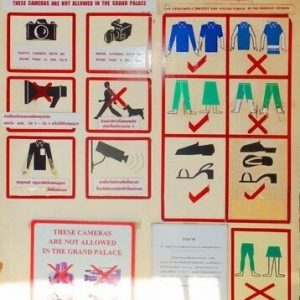
Sri Lanka travel tips – temple etiquette signboard

2. Hire a Licensed Tour Guide

A certified tour guide can transform your trip. Beyond logistics, they explain the historical context, local stories, and cultural nuances you’d miss on your own. Licensed guides registered with the Sri Lanka Tourist Board are familiar with hidden gems, the best photo spots, and even local dining recommendations. They also help avoid common scams, like overpriced souvenirs or tuk-tuk overcharging.

3. Use Tuk-Tuks Wisely

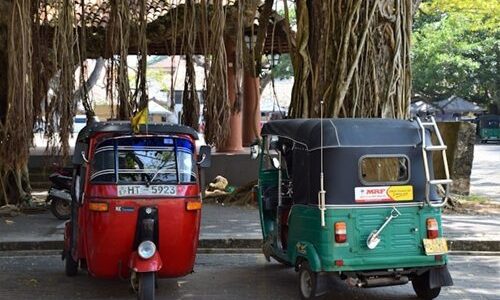
Tuk-tuks are a signature mode of transport in Sri Lanka. They’re fun, cheap, and nimble in traffic, but fares are often negotiable. Always agree on a price before starting the journey.


In Colombo, apps like PickMe and Uber Tuk ensure transparency. Outside cities, it’s good to ask your hotel or guesthouse for typical fares. Short rides in towns usually cost between LKR 200–400, while longer trips can be negotiated.

Sri Lanka travel tips – tuk-tuks in Colombo

4. Be Prepared for the Climate

Sri Lanka’s tropical climate means it can be hot, humid, and rainy at times. Light, breathable fabrics like cotton or linen are best. Sun protection is essential—bring sunscreen, sunglasses, and a hat. Hydration is key, especially on hikes or long sightseeing days. Early mornings and late afternoons are ideal for outdoor activities, while midday is perfect for visiting indoor museums or enjoying a spa/tea estate retreat.

5. Explore Off the Beaten Path

While Sigiriya, Kandy, and Ella are popular, Sri Lanka has many hidden treasures:

  • Knuckles Mountain Range: Less crowded trails with waterfalls, hiking, and birdwatching.

  • Kalpitiya: Dolphins, kite surfing, and serene beaches.

  • Jaffna: Unique Tamil culture, cuisine, and colonial architecture.

Visiting lesser-known destinations supports local communities and provides a more authentic experience.

Sri Lanka hidden gems – panoramic view of Knuckles Mountain Range

6. Avoid Tap Water

Even in hotels, tap water is not considered safe to drink. Stick to bottled water or filtered water. If you’re environmentally conscious, a reusable water bottle with a built-in filter is a practical choice. This also helps reduce plastic waste, which is a concern in tourist-heavy areas.

7. Learn a Few Local Phrases

Speaking a few words in Sinhala or Tamil shows respect and often makes interactions smoother. Common phrases:

  • Ayubowan – hello

  • Bohoma Isthuthi – thank you

  • Vanakkam – hello in Tamil

  • Kiyada – How Mutch (price)

Even a smile combined with these phrases can create a warm connection with locals, especially in small towns or markets.

8. Use Trains for Scenic Travel

Sri Lanka’s trains are famous worldwide for their scenery. The Kandy to Ella route winds through tea plantations, waterfalls, and misty mountains. The Colombo to Galle route hugs the coastline, offering stunning ocean views.
Booking in advance is recommended, especially during peak travel season, to secure a reserved seat in the observation carriage, ideal for photos.

Even though the journey is called Kandy to Ella, the most scenic section is from Nanu Oya to Ella.

For more details, check out our Famous Train Ride in Sri Lanka page.

Sri Lanka scenic train journey – Kandy to Ella

9. Book Ahead During Peak Season

December to March is high season in Sri Lanka, coinciding with dry weather on the west and south coasts. Resorts, boutique hotels, and safari tours get booked quickly. Even trains to scenic areas like Ella or Nuwara Eliya require advance booking. Early planning ensures you get the accommodation, transport, and activities you prefer.

10. Respect Wildlife

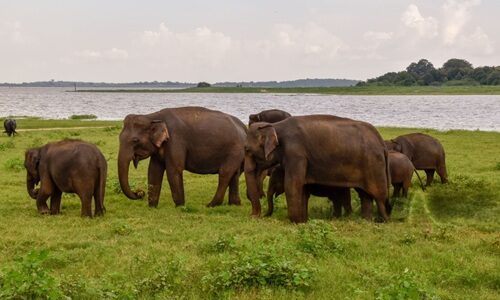
Sri Lanka is home to elephants, leopards, monkeys, and hundreds of bird species. Choose ethical safari operators, observe animals from a safe distance, and avoid attractions that harm wildlife, such as elephant rides or captive photo ops.


Recommended national parks include Yala, Udawalawe, Minneriya and Wilpattu. Visiting responsibly helps conserve biodiversity for future travelers.

Sri Lanka safari tips – wild elephants in Udawalawe

11. Carry Cash (But Use Cards in Cities)

While ATMs are widely available in cities, many small towns, local markets, and guesthouses prefer cash. The currency is Sri Lankan Rupee (LKR). Credit/debit cards are convenient in hotels, restaurants, and larger shops, but keeping cash on hand is essential for day-to-day expenses.

12. Be Ready for Power Cuts

Power outages can occur in rural areas or during maintenance. Carry a portable power bank for your devices, and a small flashlight if you’re staying outside urban centers. This ensures your phone or camera is always ready for navigation and photography.

13. Try Local Cuisine

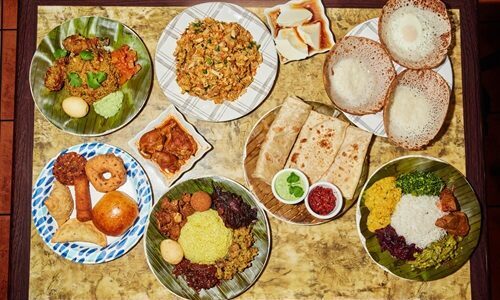
Sri Lankan food is vibrant, spicy, and flavorful. Must-try dishes include:

  • Rice & Curry: A daily staple with vegetable, meat, or seafood curries.

  • Hoppers (Appa): Bowl-shaped pancakes, sometimes with an egg.

  • Kottu Roti: Chopped roti with vegetables, eggs, and optional meat.

In tourist areas, mild versions are often available, but in local eateries, spice levels can be high—pace yourself if you’re sensitive.

Sri Lanka food tips – traditional dishes including rice and curry, hoppers and kottu

14. Respect Nature and Leave No Trace

Sri Lanka is a beautiful island, and preserving it is important. Avoid littering, especially on beaches and hiking trails. Use reusable bottles and bags where possible. Many hotels, restaurants, and eco-lodges are actively working to reduce plastic waste—supporting them contributes to sustainable tourism.

15. Use a Local Travel Site (Like SL1Travels.com)

One of the best Sri Lanka travel tips is to plan with a reliable local service. A trusted Sri Lanka tour operator like SL1Travels.com can help you organize your itinerary, arrange safe transport, and connect you with licensed guides.

Working with a local travel expert ensures a smoother journey and gives you insider knowledge and authentic experiences that aren’t always found in standard guidebooks.

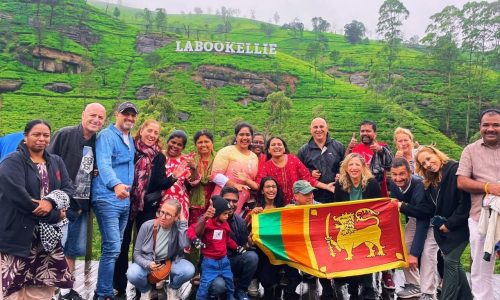
Group tour at Damro Tea Factory with SL1 Travels

Following these Sri Lanka travel tips will help you experience the island safely, responsibly, and memorably. From cultural etiquette and local cuisine to scenic trains and hidden destinations, these insights make your journey richer and stress-free.