
Nallathanniya – Gateway to Adam’s Peak Sri Lanka
Nallathanniya, also known as Dalhousie, is a peaceful village in Sri Lanka’s Central Province and the main starting point for climbers heading to Adam’s Peak Sri Lanka (Sri Pada). Nestled amidst rolling hills, tea plantations, and lush forests, Nallathanniya offers travelers a unique blend of natural beauty, adventure, and spiritual significance. Whether you’re preparing for the iconic sunrise trek to Adam’s Peak or seeking a quiet escape in the highlands, Nallathanniya is the perfect gateway.
Adam’s Peak Sri Lanka (Sri Pada)
Why Visit Adam’s Peak
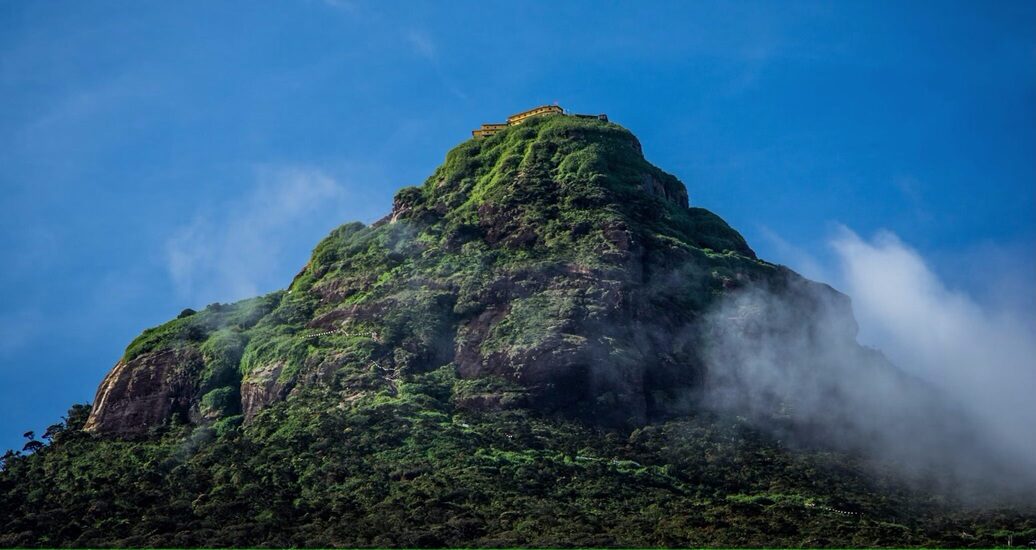
Adam’s Peak (Sri Pada) is one of Sri Lanka’s most revered mountains. The summit is believed to hold the footprint of a deity, attracting pilgrims from different religions:
Buddhists associate it with Buddha
Hindus with Shiva
Christians with St. Thomas
Muslims with Adam
Thousands of travelers and devotees climb Adam’s Peak every year, especially during the pilgrimage season, making it a cultural and spiritual highlight.
Adam’s Peak Hike from Nallathanniya
The climb from Nallathanniya is the most popular route to the summit. The trail includes:
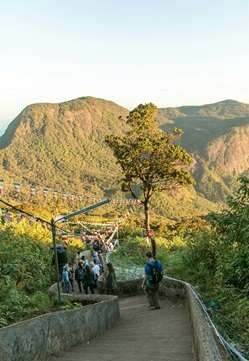
Over 5,000 steps winding through tea plantations, forests, and mist-covered paths
Scenic viewpoints along the way for photos and rest
Opportunity to reach the summit by sunrise, a breathtaking experience
Essential Tips for the Trek
Wear comfortable shoes and layered clothing for the cool highland climate
Carry water, snacks, and a flashlight
Take breaks at the rest stops and small shops along the trail
Start early (around 2–3 AM) to reach the peak for sunrise
Natural Attractions Near Nallathanniya
Ravana Falls
Located a short drive from Nallathanniya, Ravana Falls is a must-visit waterfall known for its beauty and legend. It’s an excellent spot for photos and a refreshing stop before or after your climb.
Local Hiking Trails and Wildlife
Beyond Adam’s Peak, Nallathanniya offers trails for trekking, birdwatching, and jungle walks. The region is home to diverse wildlife, including colorful birds and small mammals.
Tea Plantation Walks
Immerse yourself in the lush greenery of Sri Lanka’s highlands by walking through the region’s scenic tea estates, often sprinkled with misty views and cool breezes.
Accommodation in Nallathanniya
Staying overnight in Nallathanniya is ideal for Adam’s Peak trekkers. Options include:
Guest houses – cozy, budget-friendly stays
Rest houses – simple lodgings near the trailhead
Private lodges – for a comfortable overnight experience
Booking early during the pilgrimage season is recommended to ensure availability.
The Best Time to Visit
Pilgrimage season: December to May, with cooler weather and clear skies
Off-season: Fewer tourists, peaceful surroundings, but trails may be less crowded
Sunrise treks are recommended for the most memorable experience
How to Reach Nallathanniya
Nallathanniya, the main base for Adam’s Peak Sri Lanka, is easily accessible from several key locations:
From Hatton: Approximately 20 km by road
From Nuwara Eliya: Around 50 km by road
From Colombo: About 140 km, reachable via private vehicle or taxi
Most travelers choose to arrive in Nallathanniya the night before their Adam’s Peak hike, ensuring an early start to reach the summit for sunrise.
For a comfortable and hassle-free journey, you can book a private vehicle with a driver through our Vehicle Hire service, making your trip to Nallathanniya convenient and stress-free.






FAQs About Adam’s Peak from Nallathanniya
Usually 4–6 hours depending on fitness and pace.
Yes, it’s moderate difficulty; first-timers should pace themselves and use rest stops.
Yes, small shops and shelters provide snacks, tea, and refreshments.
Most pilgrims start at 2–3 AM to reach the summit for sunrise.
Comfortable shoes, warm clothing, water, snacks, and a flashlight or headlamp.
Experience Adam’s Peak from Nallathanniya
Whether for spirituality, adventure, or natural beauty, Nallathanniya is the ultimate gateway to Adam’s Peak Sri Lanka. Trek the sacred steps, witness a magical sunrise, and enjoy the serene landscapes and authentic village culture of Sri Lanka’s highlands.